New Commentary by Jeremy Busby in the Chicago Tribune. Read the full article here.
Excerpts:
During the early 1970s when Black people were plagued with the perilous impacts of unchecked racial injustices, [Larry] Hoover organized his neighbors to create better living conditions, personal wealth and political power. Forced to navigate America’s unfair and corrupt socioeconomic order, he decided to operate outside of society’s norms.
…
Hoover’s dedication to increasing political awareness in the Black community made him a target for government officials, and his participation in drug trafficking justified his incarceration. According to government records, the GDs amassed more than 30,000 members in over 28 states and were responsible for more than $100 million worth of drugs a year in Illinois alone.
Like other influential Black leaders such as Malcolm X, Hoover abandoned criminal activity during his incarceration and committed to transforming the GDs into a pure civic improvement group. In addition to changing the name of the organization to Growth and Development, Hoover published a book called “A Blueprint of a New Concept” that outlined a holistic vision for cleaning up Black communities across the nation.
…
Most Black males I have spoken with understand that Trump’s infamous clemency toward people such as Hoover and hip-hop artists Lil Wayne, NBA YoungBoy and Kodak Black is mere political gamesmanship and does little to address the overall problems of mass incarceration of Black people. But sincere or not, these acts of clemency represent more than what the Democrats have offered.
…
In my home state of Texas, I have watched the positive efforts of Hoover and his Growth and Development organization improve the conditions of numerous Black communities throughout the state. Additionally, I have witnessed the unjust incarceration of countless Black men, like Hoover, who make significant positive contributions to their environment on a daily basis and no longer pose a threat to society.
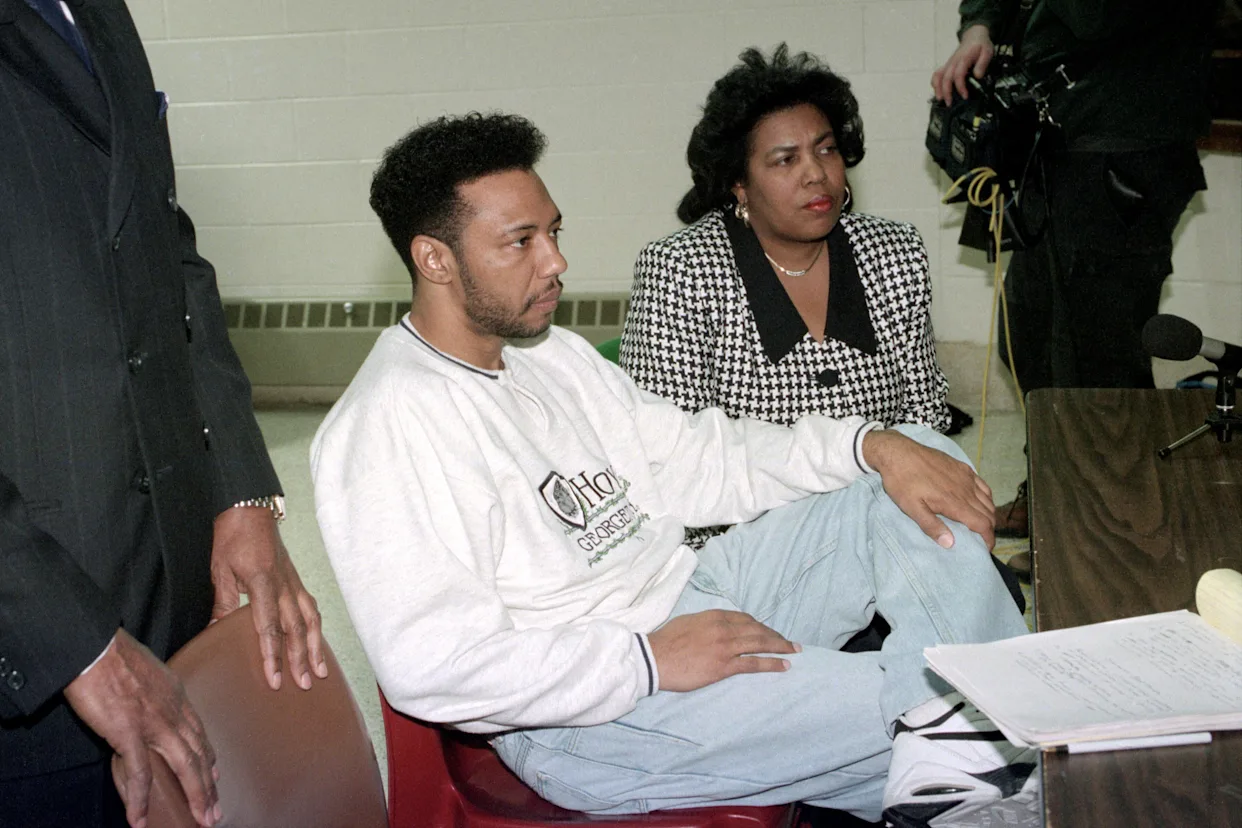
Image: Larry Hoover, in prison since 1973, faces the state parole board with his wife, Winndye Jenkins, at the Dixon Correctional Center on Feb. 7, 1995. (John Dziekan/Chicago Tribune)
Leave a Reply